Article
How Luxury Houses Are Redefining Interior Design
The Strategic Shift Toward Interiors
When a luxury maison ventures into interior design, it is never a casual move. It represents a profound evolution in how high-end brands choose to manifest their identity. Fashion is ephemeral, dictated by seasons and trends. Interiors, by contrast, belong to the rhythm of daily life—they accompany quiet moments, routines, and the passage of time. By entering this realm, luxury houses are not merely seeking visibility; they are aiming to become part of everyday existence.

A New Territory for Brand Expression
The fashion wardrobe operates at a rapid pace—collections change, trends rotate, and expectations shift. Interior design, however, functions on a different timeline. A piece of furniture or a decorative object is meant to endure. This durability makes interiors a strategic domain for luxury brands, allowing them to establish a presence within a more stable framework. Where fashion constantly reinvents itself, interiors settle in, ensuring that luxury remains present—discreetly yet persistently—beyond the seasonal cycle.
Material as a Testament to Craftsmanship
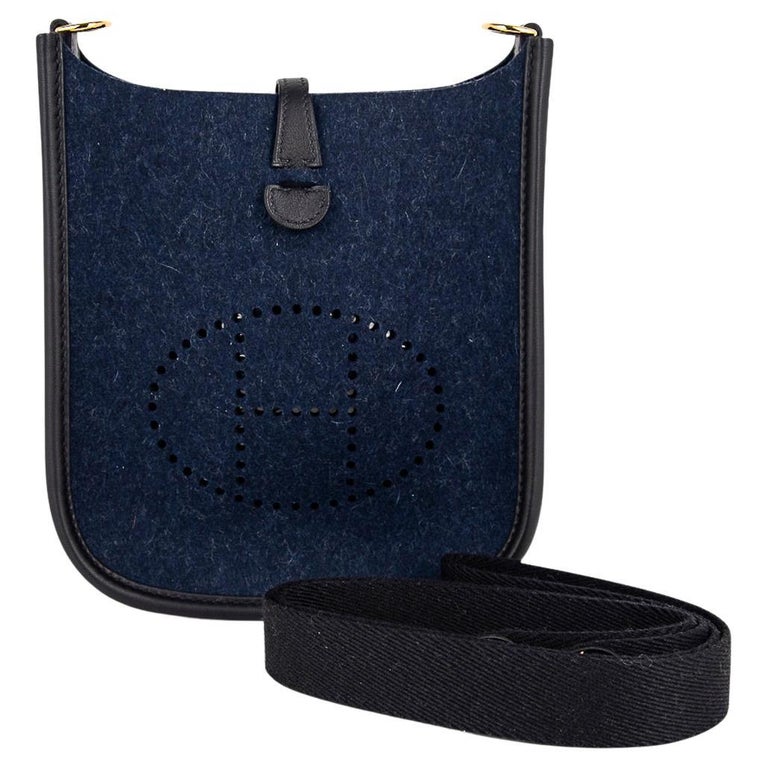
To be credible in the world of luxury interiors, a maison must rely on its core expertise. Material becomes a language in itself. At Hermès, leather is not merely decorative; it is foundational. This continuity makes the transition into interiors feel almost seamless. Objects do not seek to impress through appearance alone; they assert themselves through utility, craftsmanship, and precision. The interior becomes a natural extension of the house's identity, without rupture or artifice.

Design as a New Iconography
Other luxury houses approach interiors as a more conceptual space. Design becomes a way to create iconic pieces that transcend clothing or accessories. Louis Vuitton, through its furniture and design objects, explores this approach. These creations are not meant to fade into a room; they interact with it. A single piece can define an entire space, set a direction, and establish a recognizable signature. In this way, interiors become a new platform for brand image—less dependent on trends and more anchored in time.
Introducing Permanence in an Accelerated World
In contrast to the constant acceleration of fashion, interiors offer a form of deceleration. Some houses view this space as a way to reintroduce stability. Armani Casa is built around this philosophy: lines are restrained, colors softened, volumes carefully balanced. This is not a lack of creativity but a clear position. Luxury does not need to be demonstrative to assert itself. Here, the interior becomes a space where the house exists without constantly needing to reinvent itself.

Expressing Style Beyond the Body
For other houses, interiors are a direct extension of style. Furniture allows a complete aesthetic vision to be expressed without passing through the body. With Fendi Casa, the heritage of fashion is translated into volumes, textures, and visual presence. The interior becomes a statement of style, designed to be lived in, used, and inhabited. This approach appeals to a clientele that seeks to integrate luxury into daily life without necessarily displaying it.

Living with a House, Rather Than Wearing It
By entering the world of interiors, luxury houses are not simply expanding their offerings; they are redefining their role. The art of living enables a more intimate, lasting, and often deeper relationship with the brand. This is no longer a luxury meant to be shown; it is a luxury meant to be lived with.
Conclusion
If luxury houses are shaping our interiors today, it is not a passing trend. Interiors have become a strategic, cultural, and symbolic territory. Hermès, Louis Vuitton, Armani, and Fendi approach it differently, yet all respond to the same logic: anchoring luxury in everyday life, in long-term value, and in use. A quieter luxury, but often a more enduring one.

Louis Vuitton furniture collection
Hermès home decor
Armani Casa interior design
Fendi Casa furniture
luxury brand interiors
What makes luxury houses enter interior design?
How does Hermès use leather in interiors?
What is Louis Vuitton's approach to furniture?
Why are interiors a strategic territory for luxury brands?
How does Armani Casa define luxury living?
What is Fendi Casa known for?
How do luxury interiors differ from fashion?
What materials are commonly used in luxury interiors?
How does luxury interior design reflect brand identity?
What are the benefits of luxury home decor?
How do luxury brands ensure quality in furniture?
What is the significance of craftsmanship in luxury interiors?
How do luxury interiors create a sense of permanence?
What trends are emerging in luxury interior design?
How does Louis Vuitton integrate design into interiors?
What role does material play in luxury interiors?
How do luxury houses balance tradition and innovation in interiors?
What is the appeal of investing in luxury furniture?
How do luxury interiors enhance daily living?
What distinguishes luxury interior design from regular decor?
How do luxury brands market their interior collections?
What are the key elements of a luxury interior?
How does Hermès transition from fashion to interiors?
What is the future of luxury interiors?
How do luxury interiors reflect cultural shifts?
What are the challenges of luxury interior design?
How do luxury houses maintain exclusivity in interiors?
What are the most iconic luxury furniture pieces?
How does luxury interior design influence architecture?
What are the ethical considerations in luxury interiors?
#LuxuryInteriors
#LouisVuittonHome
#HermèsMaison
#ArmaniCasa
#FendiCasa
#InteriorDesign
#LuxuryLiving
#HomeDecor
#DesignerFurniture
#Craftsmanship
#LuxuryLifestyle
#HighEndInteriors
#TastefulLiving
#ElegantSpaces
#LuxuryBrands
#TimelessDesign
#InteriorInspo
#LuxuryHome
#DesignObjects
#ArtOfLiving