Article
Chanel's Historic Ban on Exotic Leathers: A Turning Point for Luxury Fashion
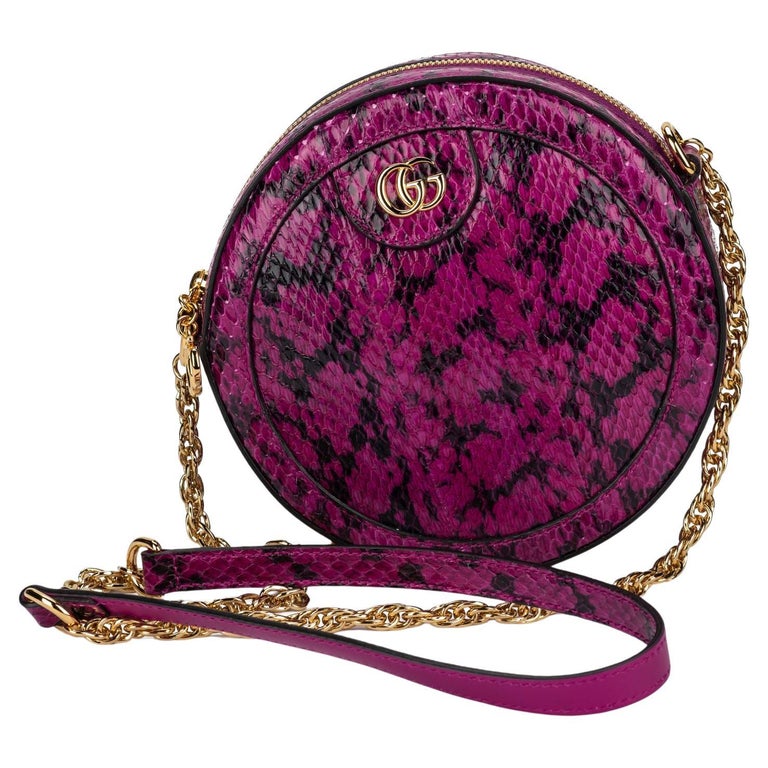
In a landmark decision, Chanel has announced it will completely halt production of all exotic leathers, becoming the first major luxury brand to take such a definitive stance. Effective May 31, 2019, the French fashion house will no longer create accessories, handbags, shoes, or clothing using skins from snakes, crocodiles, lizards, or stingrays. This move, initially hinted at in December 2018, reflects a growing ethical consciousness within the industry.
Why Chanel Is Saying Goodbye to Exotics
Chanel's decision stems from the increasing difficulty in sourcing exotic skins that align with the brand's ethical standards. In an official statement, the company emphasized its commitment to integrity and traceability throughout its supply chain. 'It is our experience that it is becoming increasingly difficult to source exotic skins which match our ethical standards,' the statement read. The brand is now focusing on developing a new generation of high-end products using alternative materials.
Industry Reaction and Impact
While Chanel's move is unlikely to significantly impact its financial performance—analysts estimate exotic leathers contributed only a 'high single digit' percentage to total sales—it sends a powerful message to the luxury sector. Animal rights activists have long criticized the exotic skin trade for alleged animal abuse and illegal sourcing, which threatens wild populations. Chanel's proactive approach may pressure other luxury houses to follow suit.
Notably, other major players like Hermès, LVMH, and Kering Group have adopted a different strategy: they own and operate reptile farms to ensure ethical sourcing and animal welfare throughout the supply chain. François-Henri Pinault, Chairman and CEO of Kering, highlighted the importance of sustainable practices, stating, 'It's not an endangered species, but if we don't change anything, they will become an endangered species.'
A Shift Towards Ethical Luxury
The luxury industry is witnessing a wave of consumer demand for ethical and sustainable products, particularly among millennials and Gen Z. These consumers are increasingly favoring brands that demonstrate social and environmental responsibility. In a notable move, British department store Selfridges will ban products made from python, alligator, crocodile, or other exotic skins starting in February 2020, opting instead for leather derived from agricultural livestock.
Chanel's ban on exotic leathers marks a pivotal moment in luxury fashion, potentially reshaping sourcing practices and consumer expectations. As the industry evolves, the emphasis on ethics and sustainability is likely to become a defining factor for luxury brands worldwide.
Chanel exotic leather ban
Chanel stops using crocodile skin
Luxury brands and exotic leather
Ethical sourcing in fashion
Chanel snake skin handbags discontinued
What does Chanel's exotic leather ban mean for luxury fashion?
Will other luxury brands follow Chanel's lead on exotic leathers?
How does Chanel source its leather ethically?
Are exotic leathers necessary for luxury handbags?
What alternatives to exotic leather are luxury brands using?
How do consumers view exotic leather products?
What is the environmental impact of exotic leather production?
How do Hermès and LVMH source exotic leathers?
What are the ethical concerns with exotic leather sourcing?
Is exotic leather trade regulated?