Article
The Resale Revolution: How Second-Hand Luxury Is Redefining High Fashion
The luxury fashion industry has witnessed a remarkable transformation over the past few years, evolving into a dynamic sector valued at nearly €25 billion. According to a report by Bain & Company, this market experiences an annual growth rate of 12%. This surge is fueled by two distinct consumer groups: those seeking affordable entry points into luxury, and established clientele looking to part with their pre-owned items. The rise of online resale platforms has been instrumental in bridging these two worlds, creating a thriving ecosystem for second-hand luxury goods.
The Emergence of Resale Platforms
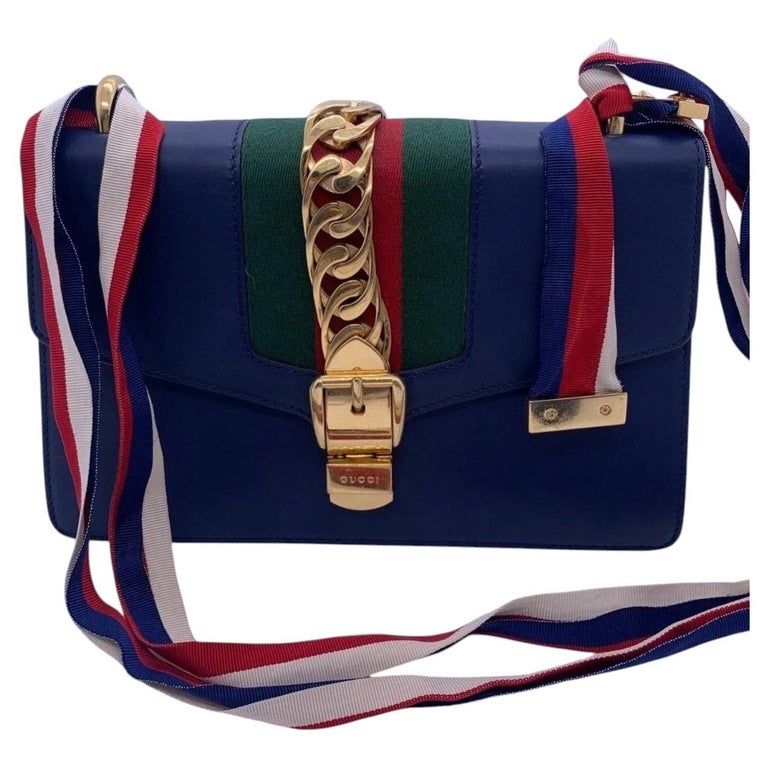
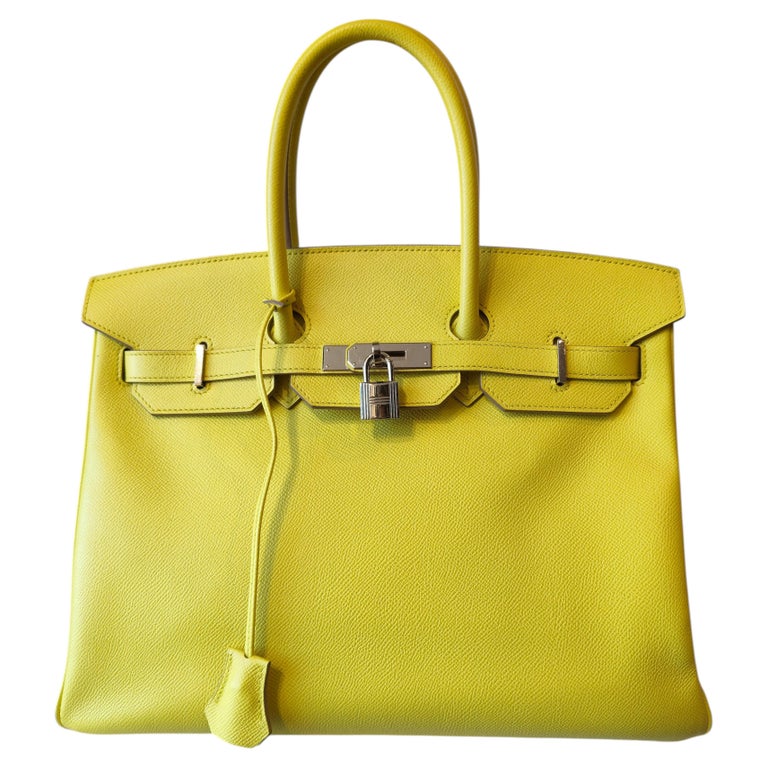
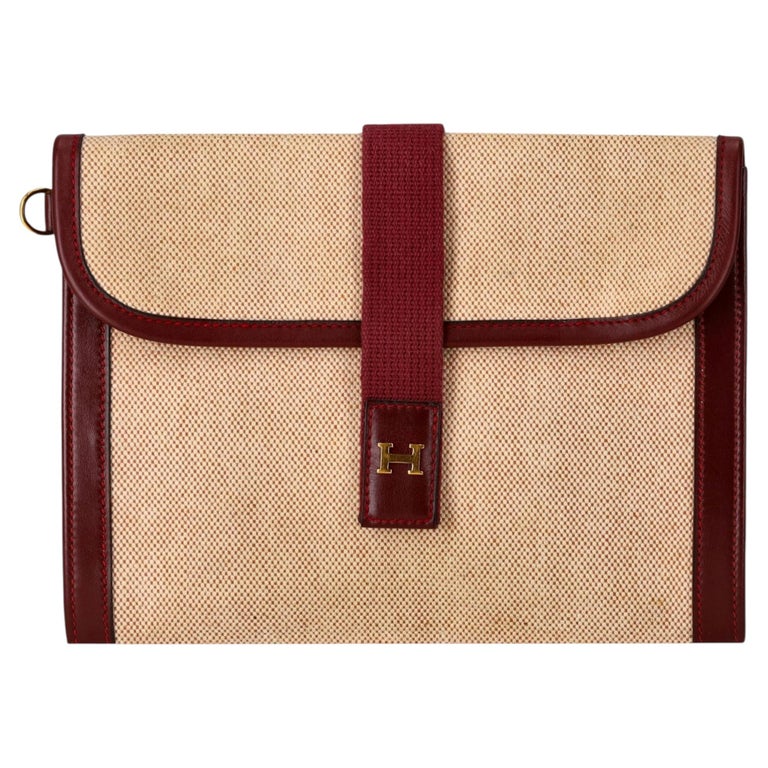
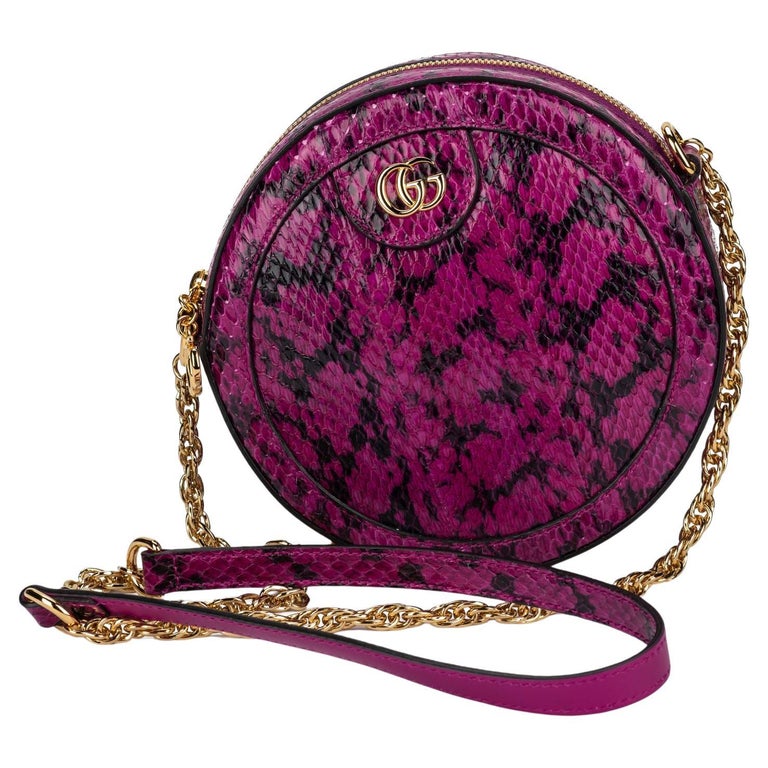
In response to the escalating demand for luxury items at accessible prices, a wave of innovative startups has emerged, many of which have become notable success stories. Platforms such as Vestiaire Collective, Vide Dressing, Store, and Monogram have carved out a niche by offering a curated selection of pre-owned bags, watches, clothing, and shoes. These platforms attract both luxury enthusiasts who may not have thousands of euros to spend on new items and collectors searching for rare or discontinued models. The economic uncertainties brought about by the health crisis have further accelerated this trend, as consumers become more conscious of their spending and turn to second-hand options.
The French Second-Hand Luxury Landscape
France, a global fashion hub, has seen a significant uptick in second-hand luxury sales. In 2020, the French second-hand market was estimated to be worth €7 billion, with a staggering 60% of consumers acquiring their first luxury item through resale channels. This data, from a BCG study in collaboration with Vestiaire Collective, underscores the growing acceptance of pre-owned luxury. Vestiaire Collective itself raised €40 million in 2019 to fuel its international expansion, while Vinted, another major player, boasts approximately 23,000 new subscribers daily and a valuation of €1 billion.
Luxury Houses Embrace the Circular Economy
Faced with these impressive figures, luxury brands have had to rethink their stance on second-hand goods. Once viewed as a threat to brand image, resale is now seen as an opportunity. Gucci and Burberry, for instance, have partnered with The RealReal, a leading US-based resale platform with over 18 million members. Through these collaborations, they can resell unsold inventory or items with minor flaws, thereby tapping into the circular economy. It is likely that more luxury houses will follow suit, as projections from ThredUp suggest that second-hand luxury sales could surpass fast fashion by 2028.
For consumers, the second-hand luxury market offers a golden opportunity to own coveted designer pieces without breaking the bank. Whether you're a seasoned collector or a first-time buyer, platforms like Store provide access to authentic luxury goods at more accessible price points. The resale revolution is not just a trend but a fundamental shift in how we perceive and consume luxury.
second hand luxury market growth
best luxury resale platforms
Gucci second hand partnership
second hand luxury France statistics
buy pre-owned designer bags online
How big is the second-hand luxury market?
What are the top second-hand luxury websites?
Why is second-hand luxury becoming popular?
Do luxury brands support resale?
Is it safe to buy second-hand luxury items?
How to authenticate second-hand luxury bags?
What is the environmental impact of second-hand luxury?
Can I sell my Gucci bag on The RealReal?
Are second-hand luxury items worth it?
How does Vestiaire Collective work?