Article
Chanel Abandons Exotic Leathers: What It Means for Hermès and the Luxury Handbag Market
In a landmark decision that reverberated across the luxury fashion world, Chanel announced in December 2018 that it would cease producing accessories from exotic skins, and by May 31, 2019, the maison completely halted production of all exotic leather goods. This move made Chanel the first major luxury brand to take such a definitive stance, citing ethical concerns and the increasing difficulty of sourcing skins that meet its standards of integrity and traceability.
The End of an Era for Chanel Exotics
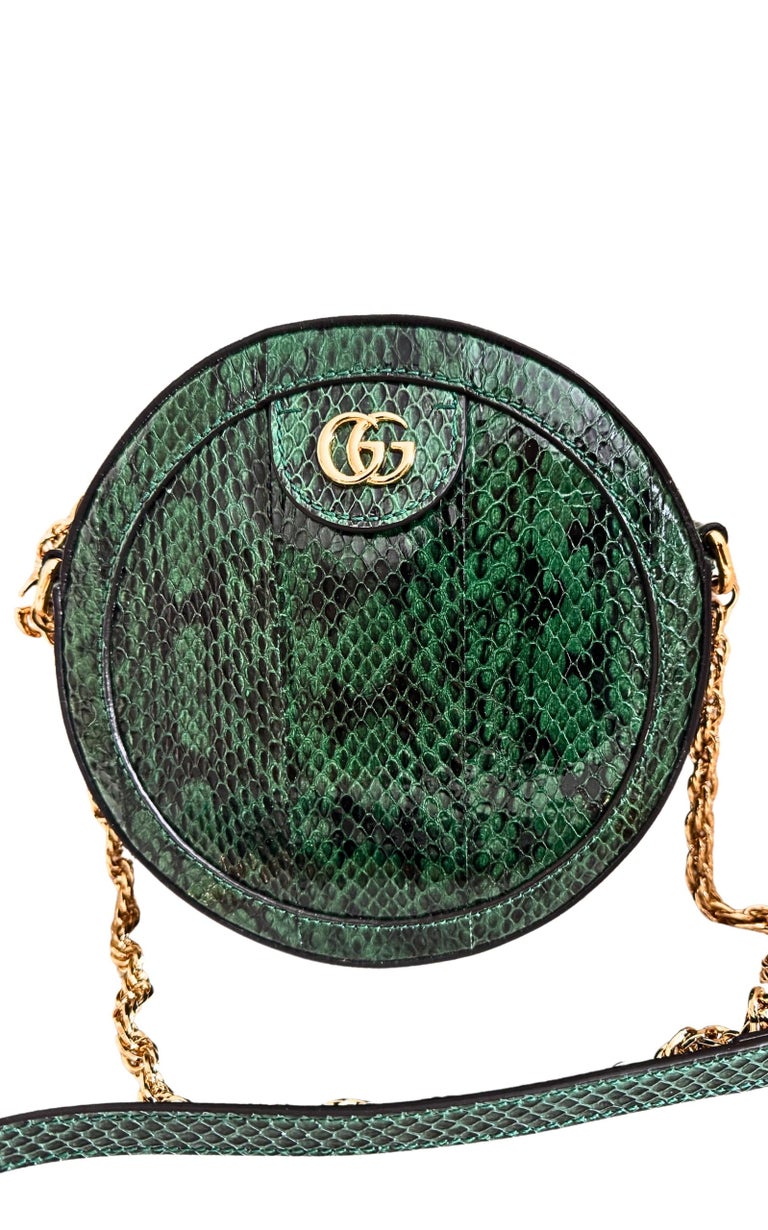
Chanel’s decision affected handbags, shoes, and clothing made from snakes, crocodiles, lizards, and stingrays—materials that have long been among the most expensive and coveted in luxury. As of May 16, 2019, the brand’s website offered no bags or accessories made from exotic leather. In a statement, Chanel explained, “We are continually reviewing our supply chains to ensure they meet our expectations of integrity and traceability. In this context, it is our experience that it is becoming increasingly difficult to source exotic skins which match our ethical standards.”
Analysts noted that exotic skins likely accounted for a high single-digit percentage of Chanel’s total sales, so the financial impact is expected to be minimal. The company also stated it was working to “create a new generation of high-end products” using alternative materials.
Hermès and the Ethics of Exotic Skins
While Chanel steps away from exotics, other major players—particularly Hermès, LVMH, and Kering—have taken a different approach. These groups have moved toward owning and operating their own reptile farms, allowing them to oversee the entire supply chain and ensure animal welfare. This vertical integration not only addresses ethical concerns but also contributes to the ever-increasing price point of exotic handbags, as the care invested in raising the animals is reflected in the final product.
Kering chairman and CEO François-Henri Pinault has defended the practice, stating, “It’s not an endangered species, but if we don’t change anything, they will become an endangered species.” For Hermès, whose Birkin and Kelly bags in exotic skins are among the most sought-after and expensive handbags in the world, the ability to source ethically has become a cornerstone of its brand narrative.
Consumer Demand for Ethical Luxury
The shift comes amid a wave of consumer demand for ethical consumption. Millennial and Gen-Z luxury shoppers increasingly express a preference for brands that are environmentally and socially conscious, even if their purchasing habits don’t always align. In February 2020, British department store Selfridges announced it would ban products like watches, luggage, and handbags made from python, alligator, crocodile, or other exotic animal skins, selling only leather derived from agricultural livestock.
Animal-rights activists have long targeted the exotic skin trade, alleging rampant abuse and illegal sourcing that endangers wild populations. Chanel’s move is a significant victory for these groups, but it remains to be seen whether other brands will follow suit or continue to refine their own ethical sourcing models.
The Future of Exotic Handbags
For collectors and enthusiasts, the decision raises questions about the future availability and value of exotic handbags from Chanel and other brands. While Chanel explores new materials, Hermès and others are likely to continue offering exotic skins, albeit under strict ethical guidelines. The debate over exotic leathers is far from over, but one thing is clear: the luxury industry is being forced to confront its practices and adapt to a changing world.
Chanel exotic leather ban 2019
Hermès exotic skin sourcing ethics
luxury handbags exotic leather alternatives
Chanel vs Hermès exotic bags
ethical sourcing exotic skins luxury
Why did Chanel stop using exotic leathers?
Does Hermès still use exotic skins?
What are exotic leathers in luxury handbags?
Is Hermès Birkin made of crocodile?
How does Hermès source crocodile skins?
What is the most expensive Hermès exotic bag?
Are exotic leather handbags ethical?
What did François-Henri Pinault say about exotic skins?
Will other luxury brands follow Chanel's lead?
How much do exotic handbags cost?
What is the difference between alligator and crocodile leather?
Does Chanel still sell exotic bags?
What materials will Chanel use instead of exotics?
How does LVMH ensure ethical sourcing of exotics?
What is Kering's policy on exotic skins?
Are python handbags banned in some countries?
What did Selfridges ban in 2020?
How do millennials feel about exotic leather?
What is the future of exotic leather in fashion?
Why are exotic handbags so expensive?
What is the resale value of Hermès exotic bags?
Does Hermès own crocodile farms?
What is the difference between Hermès and Chanel exotic bags?
How can you tell if a handbag is made of real exotic leather?
What are the alternatives to exotic leather?
Are there vegan exotic leather options?
What is the environmental impact of exotic leather?
How does the exotic leather trade affect endangered species?
What is CITES and how does it regulate exotic skins?
Will Chanel ever bring back exotic leathers?
#Chanel
#Hermes
#Birkin
#ExoticLeather
#LuxuryHandbags
#EthicalFashion
#CrocodileBirkin
#AlligatorBag
#PythonBag
#SustainableLuxury
#LVMH
#Kering
#AnimalRights
#FashionEthics
#HandbagTrends
tote
crossbody
exotic skins
luxury market
sustainable fashion