Article
Gucci's New Strategy: Why the Luxury House Is Moving Beyond Influencer Gifting
The landscape of luxury marketing is shifting. Gucci, one of the most influential fashion houses, has made a bold decision to ban influencer gifting, a practice that once seemed indispensable. This move signals a deeper transformation in how luxury brands approach digital influence and brand control.
The Rise and Fall of Influencer Marketing
In recent years, influencer marketing became a cornerstone of luxury brand promotion. With the rise of social media, brands recognized the power of individuals who could sway consumer opinions. Micro-influencers, with 10,000 to 100,000 followers, and mega-influencers, with over a million, became valuable assets. Their authentic content promised to bridge the gap between brands and elusive millennial consumers.
However, as the influencer industry grew, so did its challenges. Consumers became more skeptical of sponsored content, and the line between genuine recommendation and paid advertisement blurred. The Federal Trade Commission (FTC) in the US and the Competition and Markets Authority (CMA) in the UK mandated clear disclosures, but many influencers failed to comply, leading to a crisis of trust.
The Dior Saddle Bag Oversaturation
A notable example was Dior's 2018 campaign for the relaunch of its iconic Saddle bag. Over 100 influencers posted simultaneously, creating a flood of content that felt orchestrated and inauthentic. The bag appeared everywhere, from fashion blogs to Instagram feeds, but the lack of proper #ad or #sponsored tags drew criticism. The campaign, intended to generate buzz, instead highlighted the pitfalls of influencer gifting: overexposure and diminished exclusivity.
Gucci's Pivot: Control and Authenticity
Gucci's decision to halt gifting to influencers is a strategic move to regain control over its brand image. By stepping back from the influencer circuit, Gucci aims to avoid the oversaturation that plagued Dior. Instead, the house is focusing on curated experiences and direct engagement with its audience.
The Bizzarri-Michele Renaissance
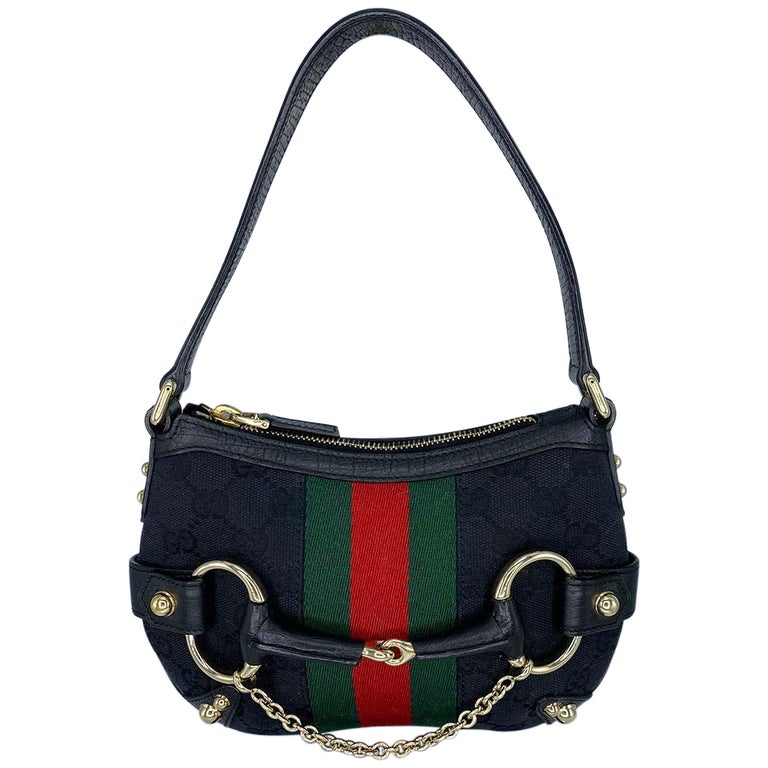
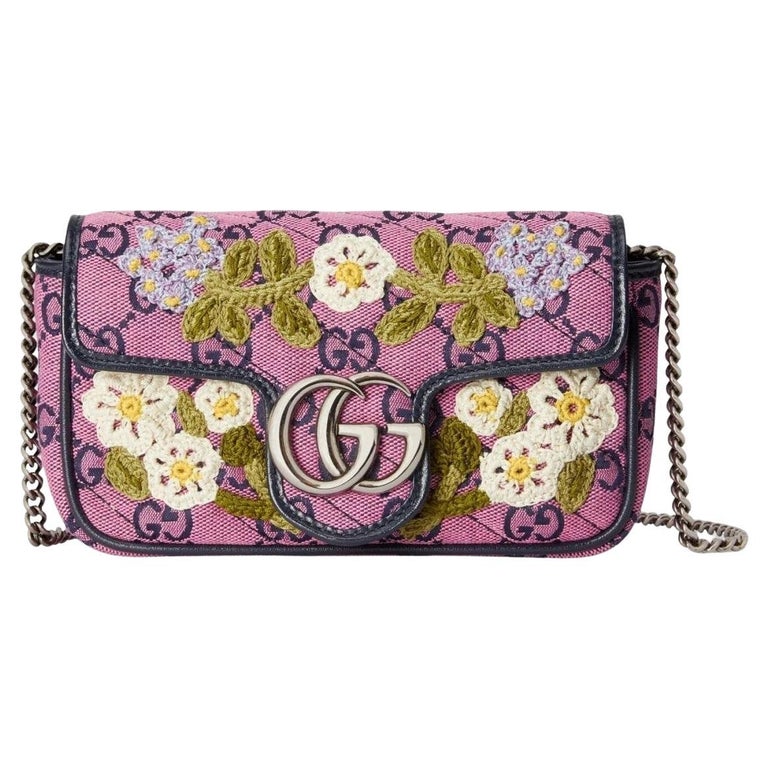
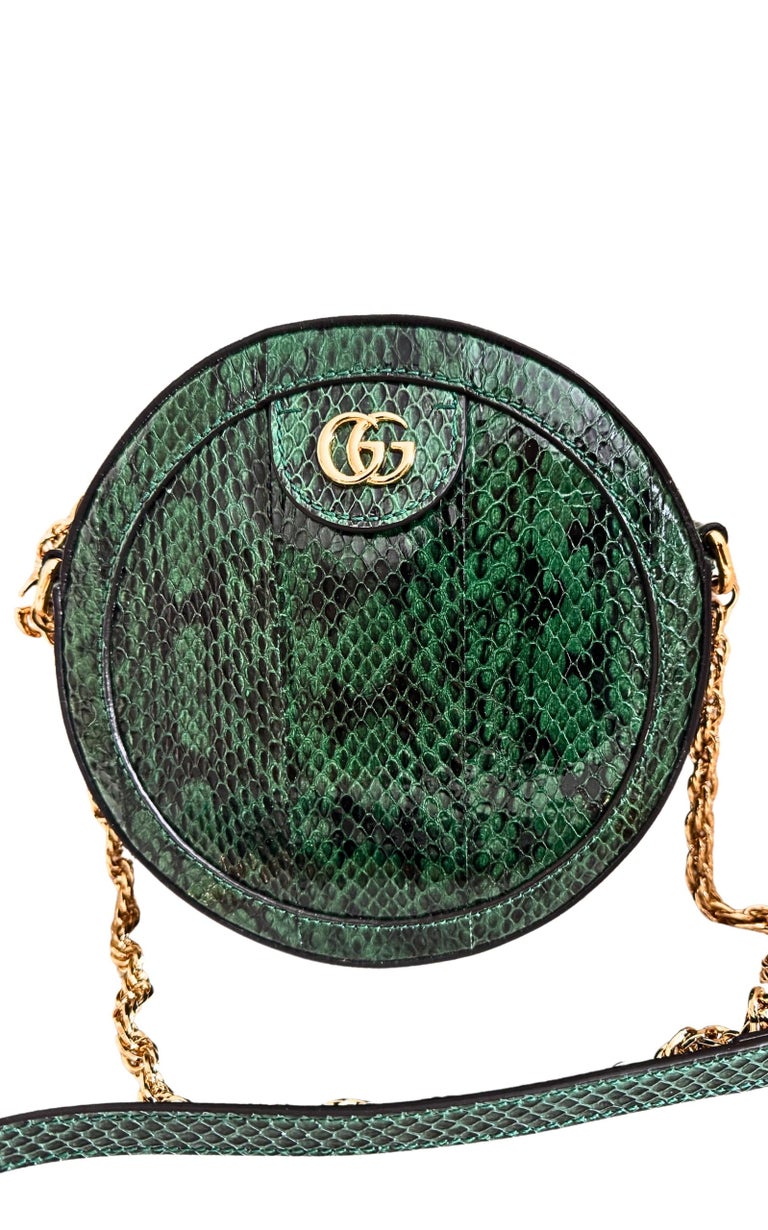
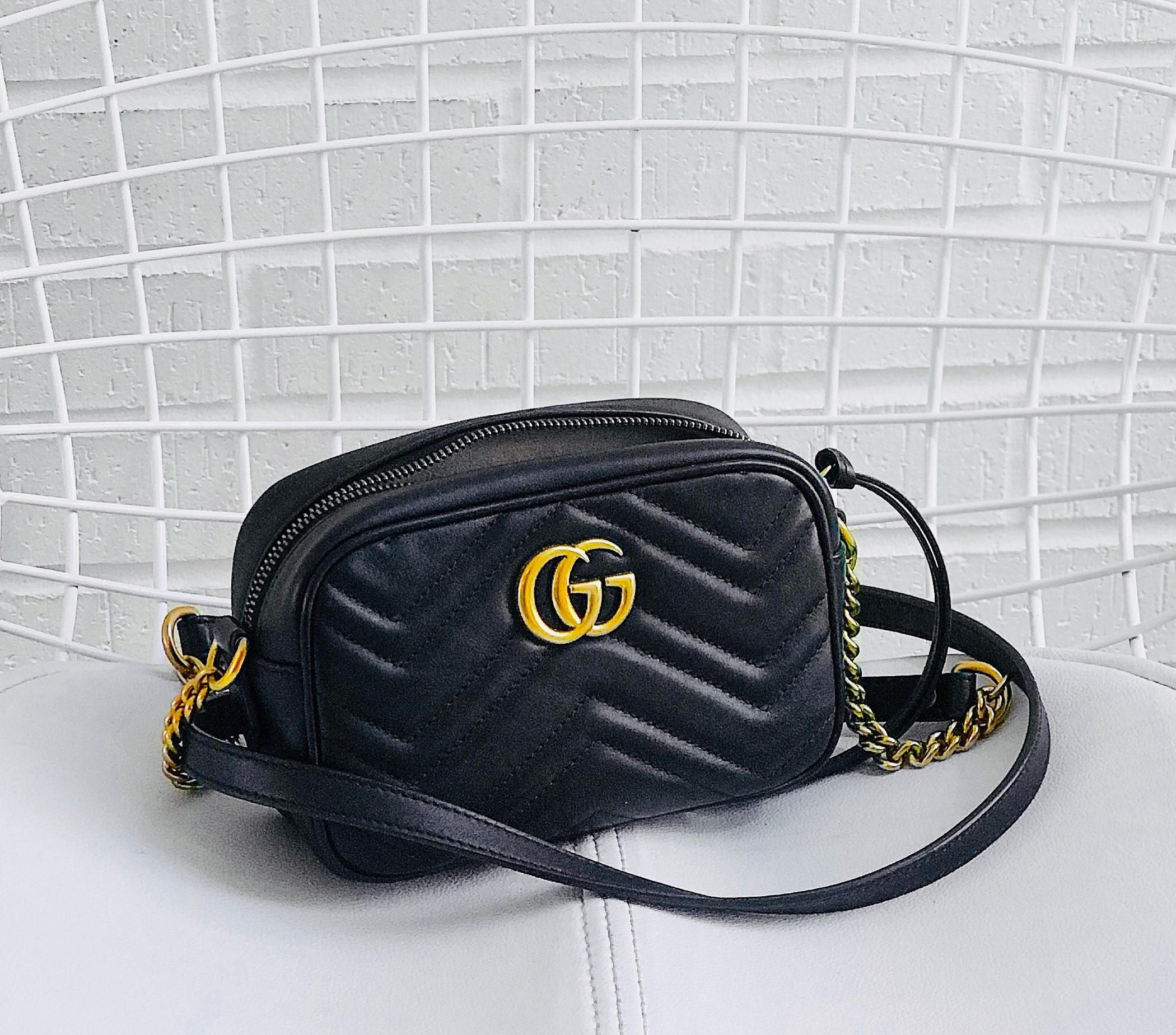
Under the leadership of CEO Marco Bizzarri and Creative Director Alessandro Michele, Gucci has undergone a remarkable transformation. They revived the iconic GG logo, collaborated with street artist Trevor Andrew (GucciGhost), and launched the #GucciGram campaign, which invited digital artists to reinterpret Gucci motifs. These initiatives embrace creativity and cultural relevance without relying on traditional influencer endorsements.
Gucci's strategy emphasizes exclusivity and storytelling, values that resonate with luxury consumers. By controlling its narrative, Gucci ensures that its products remain aspirational and desirable, not ubiquitous.
The Future of Luxury Marketing
As Gucci leads the way, other luxury houses may follow suit. The balance between accessibility and exclusivity is delicate. While influencer marketing can be effective, it must be executed with transparency and authenticity. Gucci's move suggests a return to more controlled, brand-driven marketing, where the product and its heritage take center stage.
In this new era, luxury brands will likely focus on creating unique experiences, leveraging their heritage, and engaging with consumers in more meaningful ways. The influencer may not disappear entirely, but their role will evolve, and brands will demand greater control and authenticity.
Why did Gucci stop giving free products to influencers?
What is Gucci's new marketing strategy after banning influencer gifting?
How does Gucci control its brand image without influencers?
What are the alternatives to influencer marketing for luxury brands?
Is influencer marketing still effective for luxury fashion houses?
What is the reason behind Gucci banning influencer gifting?
How did Gucci's sales perform after stopping influencer gifting?
What are the benefits of Gucci's new approach to marketing?
How do luxury brands maintain exclusivity in the age of social media?
What are the legal requirements for influencer sponsored posts?
How do consumers react to influencer marketing for luxury products?
What is the difference between micro and macro influencers?
How did the Dior Saddle bag campaign affect its exclusivity?
What is the role of creative directors like Alessandro Michele in brand image?
How does Gucci use digital campaigns like #GucciGram?
What is the impact of overexposure on luxury brand desirability?
How do luxury brands choose the right influencers for their campaigns?
What is the future of influencer marketing in the luxury sector?
How does Gucci's strategy compare to other luxury brands?
What is the significance of the GG logo in Gucci's revival?
How does Gucci engage with millennials and Gen Z consumers?
What are the risks of influencer marketing for luxury brands?
How can luxury brands measure the ROI of influencer campaigns?
What is the role of authenticity in luxury marketing?
How do social media platforms influence luxury brand perception?
What are the ethical considerations in influencer gifting?
How does Gucci's partnership with GucciGhost reflect its new image?
What is the impact of FTC regulations on influencer marketing?
How do luxury brands balance accessibility and exclusivity?
What are the best practices for luxury brands in digital marketing?
How did Gucci's CEO and creative director transform the brand?
What is the consumer's perception of gifted products in influencer posts?
How does Gucci's omnichannel strategy enhance customer experience?
What are the alternatives to gifting for luxury brands to promote products?
How does Gucci's approach to content creation differ from traditional influencer campaigns?
#Gucci
#LuxuryMarketing
#InfluencerMarketing
#BrandControl
Gucci Marmont
Gucci GG logo
Alessandro Michele
Marco Bizzarri
luxury exclusivity
digital marketing
social media strategy
brand authenticity
fashion influencers
FTC disclosure
Dior Saddle bag
Chanel No. 5
Hermès Birkin
luxury handbags
fashion trends
millennial consumers